The Post-Slopes Thaw
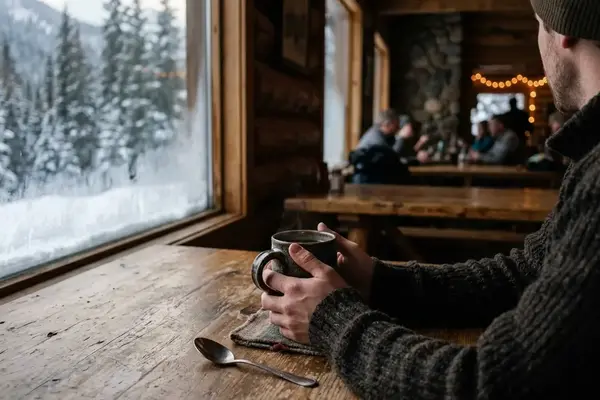
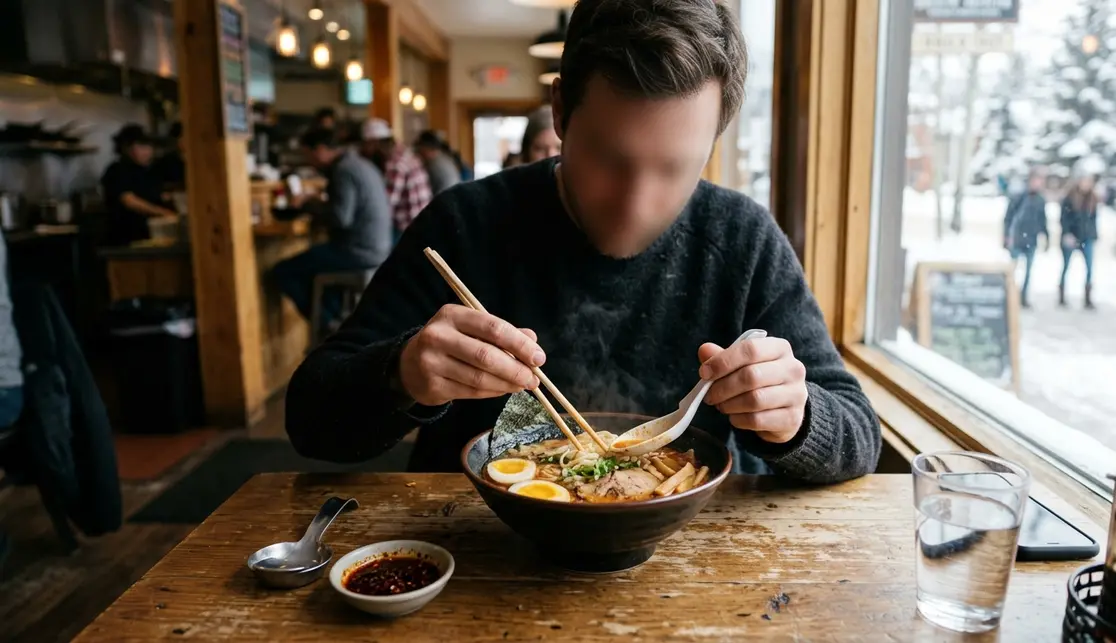
Stomping packed snow from boot treads on the floorboards of a dimly lit Main Street tavern sets the stage for winter dining. Peeling off damp gloves and wrapping cold hands around a steaming ceramic bowl happens before the body fully cools down. Breckenridge sits at roughly 9,600 feet above sea level. Here, cold, dry air and sustained physical activity increase fluid needs even when thirst feels muted.
Mountain Recovery Essentials
- Hot liquid for immediate core warming
- Sodium-bearing broth to replenish electrolytes
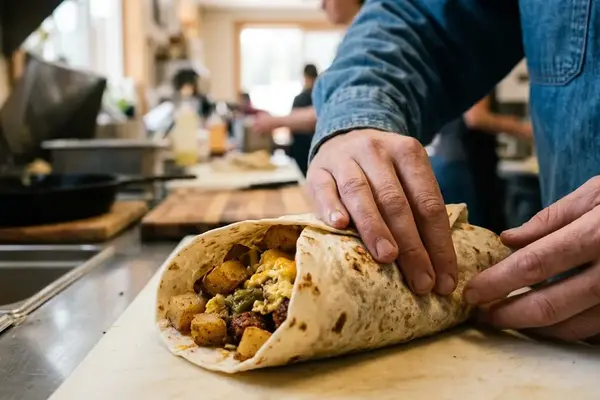
- Carbohydrates like noodles, rice, bread, or tortillas
- Protein from meat, tofu, eggs, or legumes
After a four- to seven-hour ski day, a useful recovery bowl combines these elements to restore energy and hydration simultaneously.
Asian-Inspired Mountain Warmth: Ramen and Pho
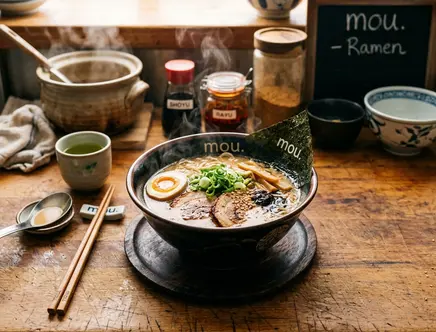
Kitchen production schedules show that noodles are cooked separately for roughly 2 to 4 minutes to prevent them from clouding or over-thickening the broth. Excessive evaporation can concentrate salt before bones and connective tissue have yielded balanced flavor, requiring careful monitoring rather than just a rolling boil. The best post-slope window for these bowls is around 3:30 to 5:30 p.m., after lifts begin winding down but before the main dinner rush.
The Classic Colorado Comfort: Green Chili and Hearty Stews
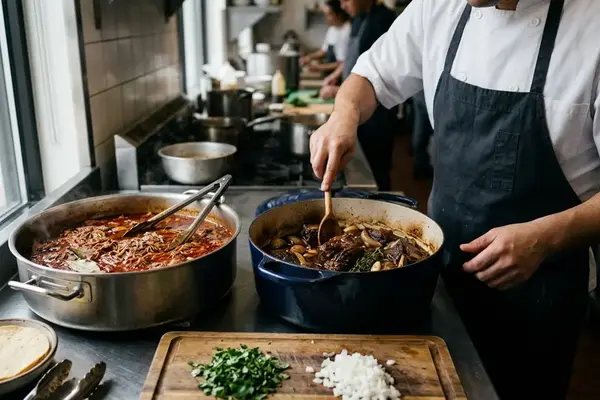
Colorado green chili stands as a distinct regional preparation rather than a generic soup. Kitchens roast Pueblo-type green chiles until blistered, steam and peel them, then combine them with browned pork and a flour-thickened base. Local harvest cycles mean fresh Colorado chile availability typically runs from late August into October. Outside that period, kitchens generally rely on frozen roasted chiles to preserve the charred flavor and soft texture.
Pork shoulder usually needs about 2 to 3.5 hours at a gentle simmer to become fork-tender. Warm flour tortillas or thick sourdough arrive alongside for absorbing the chile-rich gravy. A flour-thickened chili with pork, cheese, and bread is better placed at dinner—roughly 6:00 to 9:00 p.m.,than during a short midday ski break. Its volume and fat load feel heavy when returning immediately to exertion.
Warming Up from the Inside Out: Curries and Global Spice
Curry bowls rely on a specific flavor architecture to cut through the winter cold. Coconut milk supplies richness. Lemongrass or citrus supplies lift. Fermented or salted seasonings provide savoriness. Spices like ginger, chile, turmeric, or garam masala create a lingering internal warmth through their thermogenic properties.
A coconut-based curry base builds real depth of flavor in 25 to 45 minutes when prepared with sliced protein and vegetables. Tougher braising cuts generally require 1.5 to 3 hours to break down completely. Pair highly spiced bowls with a crisp lager, dry cider, sparkling water with lime, or unsweetened iced tea. Acidity and carbonation refresh the palate, while high-alcohol drinks intensify the perception of chile heat.
The Anatomy of a Perfect High-Altitude Bowl
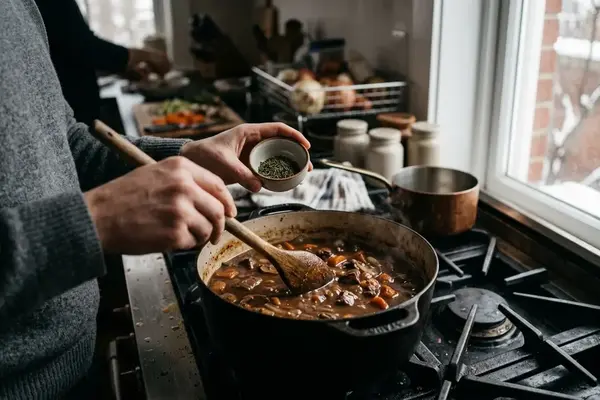
The physics of high-altitude cooking fundamentally change culinary extraction. Lower atmospheric pressure lowers the boiling temperature of liquids. An uncovered stockpot cannot reach the same liquid temperature as it can at sea level. Cooking duration varies with bone size, pot geometry, burner output, lid use, and daily atmospheric pressure. A sea-level recipe's stated simmer time cannot transfer unchanged to a Breckenridge kitchen.
At Breckenridge's elevation of 9,600 feet, water boils at approximately 198°F (92°C) instead of 212°F, meaning local chefs must simmer their bones, meats, and spices significantly longer to extract the collagen and deep flavors that make these bowls so restorative.