Quick Pours: Key Takeaways for Spicy Pairings
A spicy street-food table asks one question before the first sip: should the beer calm the heat, sharpen it, or clear the deck for the next bite?
The best answer usually starts with restraint. Lower-bitterness beers give chile, smoke, lime, herbs, and grilled fat room to move. Assertive IPAs can work with some spicy food, but they are rarely the safest first pour when chili oil, scotch bonnet, or dried arbol heat is already doing heavy lifting.
- Hops amplify heat: Bitter IPAs can make capsaicin feel sharper, especially when alcohol warmth joins the bite.
- Malts soothe the burn: Ambers, brown ales, and porters bring sweetness and body that soften heat without pretending to erase it.
- Carbonation cleanses the palate: Lively bubbles help scrub oil, fried crust, sesame paste, and char between bites.
For a quick comparison flight, pour 3 to 4 beers in 3 to 5 ounce servings. That gives guests enough beer to compare bitterness, malt sweetness, and carbonation without committing to a full pint beside a plate that may change direction after the second bite.
Summary: Start with wheat beers, Vienna lagers, amber lagers, brown ales, and porters before testing stronger pale ales or IPAs. Keep the first tasting pass to about 18 to 30 minutes, while heat and bitterness are still easy to separate.
The Mechanics of Heat, Hops, and Malt
Beer pairing with spicy food is not just style matching. It is mouthfeel management.
Capsaicin does not rinse away cleanly
Capsaicin is hydrophobic, so water does little to remove it from the mouth. Ethanol can dissolve some capsaicin, but that help comes with a trade-off: higher-alcohol beers also add warmth, and warmth can make spice feel more aggressive. Penn State Extension gives a clear primer on the science of spicy foods, including why the burn behaves differently from ordinary temperature heat.
As a practical ceiling for very spicy plates, beers near 4.5% to 6.2% ABV tend to refresh better than stronger pours. Once ABV climbs, the beer can start acting like another heat source.
Bitterness and sweetness pull in opposite directions
Alpha acids from hops register as bitterness. With fresh or dried hot chiles, that bitterness often becomes more noticeable. For dishes carrying serious chile heat, start below roughly 35 IBU before bringing in stronger pale ales or IPAs.
Residual sweetness, caramel malt, wheat proteins, and lactose where present change the shape of the burn. They add body and sweetness, which can make heat feel rounder. They do not chemically erase capsaicin.
Note: A double IPA with chile-oil noodles can make the dish taste harsher because hop bitterness, alcohol warmth, and capsaicin stack instead of balancing one another.
Case Studies: Global Street Food Pairings
The cleanest pairings begin with the dish’s pressure point: pineapple and achiote, sesame and chili oil, grill char and scotch bonnet. Style labels matter less than what the beer contributes in the mouth.
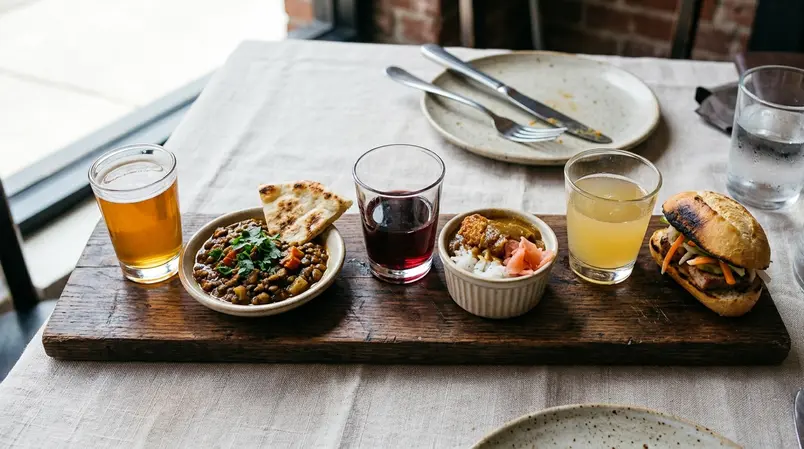
Tacos al Pastor with Vienna Lager
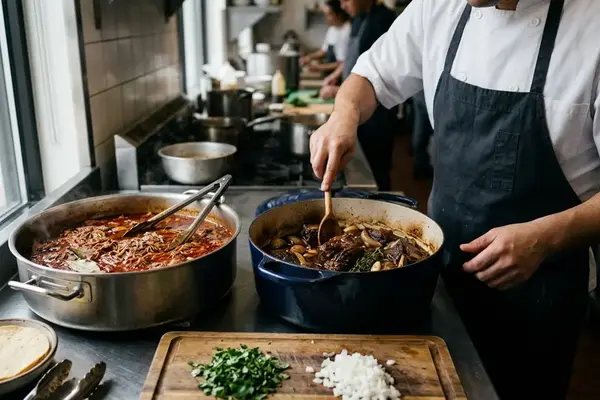
Tacos al pastor need a beer that respects the pork, achiote, pineapple, onion, and chile without flattening the bright edges. A Vienna lager or amber lager served at 38 to 45°F fits that job. Toasted malt echoes seared pork and achiote, while the crisp finish keeps pineapple from tasting syrupy.
A porter can flatter smoky jerk chicken, but that same porter may feel heavy beside a lime-heavy taco if the dish depends on freshness rather than char, sweetness, or spice depth. This is where one specific plate beats a general beer rule.
Sichuan Dan Dan Noodles with Belgian Witbier
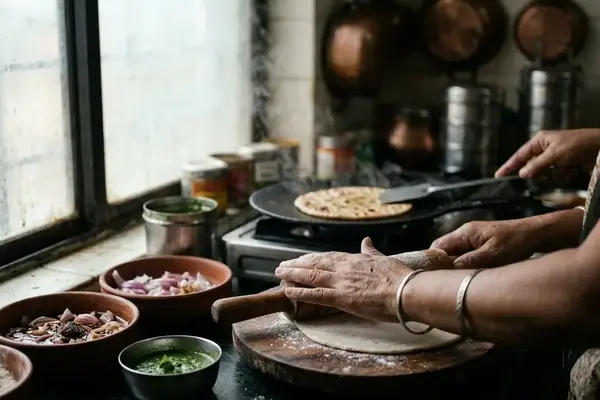
Dan dan noodles bring a different problem: chili oil, sesame paste, and Sichuan peppercorn aroma build density fast. A Belgian-style witbier served at 40 to 45°F brings orange peel, coriander-like spice, wheat softness, and high carbonation. The beer does not fight the numbing quality. It lifts the oil so the next bite still has detail.
Run the bite in two passes over 6 to 10 minutes. Taste the noodles alone first. Then taste food plus beer after the second bite, when spice and fat are fully present.
Jamaican Jerk Chicken with Porter
Jerk chicken wants structure. Scotch bonnet heat, allspice, thyme, brown sugar, smoke, and char create a deep flavor field, not just a hot one. Porter served at 45 to 50°F brings roast and cocoa-like malt notes that line up with grill char and sweet spice.
The key is balance, not weight. A porter that tastes plush on its own can still work if it finishes clean enough to leave room for the next smoky bite.
Implementation: Balancing Your Tasting Menu
A tasting menu should move from low palate load to high palate load. Crisp and lightly malty beers go first. Richer, darker beers arrive later, when smoke, oil, and chile intensity can carry them.
Sequence from bright to deep
- Start with a mild fried or grilled snack and a lager.
- Move to a medium chile dish with a wheat beer or amber lager.
- Serve an oily or numbing spice dish with a witbier or saison.
- Finish with a smoked high-heat dish and a brown ale or porter.
Give each pairing 7 to 12 minutes before moving on. Guests need the first sip, the first bite, and the aftertaste interaction before judging the match.
Control temperature before chasing rare bottles
Temperature does more work than most people give it credit for. Pale lagers and wheat beers show best around 38 to 45°F. Amber lagers and brown ales land well at 42 to 48°F. Porters can stretch from 45 to 52°F, where roast and cocoa-like notes open without turning flabby.
Too cold, and malt sweetness disappears. Too warm, and alcohol feels louder beside chile.
Use glassware to focus aroma
Narrow tulip or stemmed glasses help aromatic wheat beers and porters concentrate citrus peel, spice, roast, and fermentation notes. Simple lager glasses or small tasting glasses work better for crisp lagers. For a full food pairing, 5 to 8 ounce pours are enough to follow the dish without overwhelming the menu.
Quick Tip: Put the most intensely hopped beer in only one spot in a spicy flight, and place it before the hottest course rather than after it.
Scope and Limitations: Managing Palate Fatigue
Pairing stops being the main variable once chile concentration, alcohol warmth, and repeated bitterness accumulate. At that point, the smartest move is not a cleverer beer. It is a reset.
Extreme heat changes the assignment
If a dish uses superhot chiles such as ghost pepper or reaper-level sauces, treat beer as refreshment rather than a precision pairing tool. The beer can cool the rhythm of the meal, but it will not reveal every spice note once the burn dominates.
This is why lower-bitterness beers are the safer partner for the hottest plates. They do less damage when the food is already loud.
Watch for dull, metallic, or muddy flavors
Palate fatigue often appears after roughly 35 to 55 minutes of repeated spicy bites and bitter sips. Guests may describe flavors as muddy, metallic, or simply hotter than they were at the start. That is not always a bad pairing; sometimes it is a tired palate.
Schedule a 5 to 8 minute reset before the next beer after a high-heat course. Plain rice, tortillas, bread, cucumber, yogurt sauce, or a small dairy-based bite will reset the palate more effectively than water alone.
Build the finish around comfort
The strongest spicy beer menus end with clarity, not bravado. A brown ale with grilled meat, a porter with jerk chicken, or a crisp lager after a final taco can leave guests hungry for one more bite instead of reaching for relief.
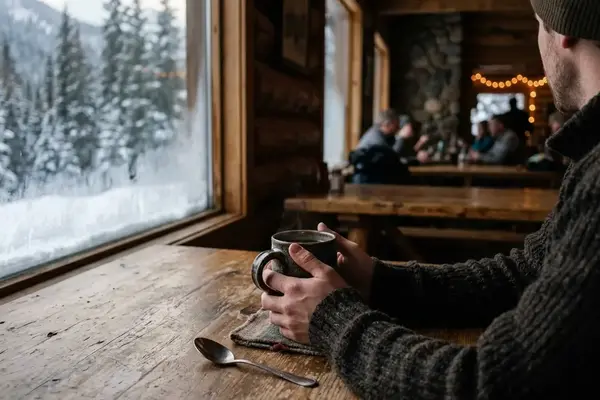
In mountain settings such as Breckenridge, altitude, dehydration, and outdoor cold-weather dining can make alcohol warmth and dryness show up faster than they would at sea level. Plan the flight with that in mind, and the beer becomes part of the adventure instead of a dare.