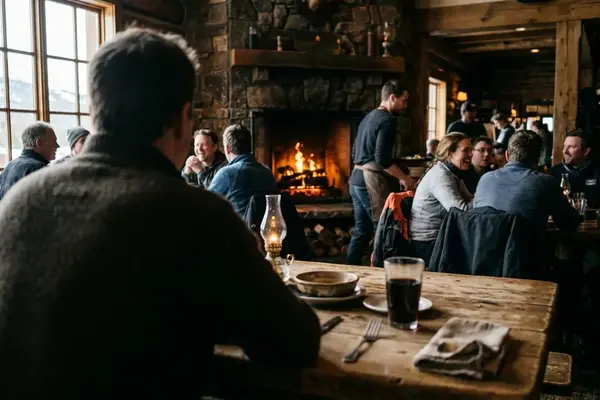
The New Standard for Alpine Mornings
Breckenridge sits at roughly 9,600 feet above sea level. Up here, breakfast food that stays warm in foil, fits in one hand, and can be eaten before a lift line or trailhead departure has practical value beyond trend appeal. Across recent winter seasons, mountain breakfast menus increasingly had to satisfy both quick takeout habits and visitors willing to pay for destination dining.
The breakfast burrito transitioned from a cheap, utilitarian calorie source to a globally inspired culinary focus. Elevated ingredients like authentic green chile and smoked meats improve both flavor and high-altitude performance. Purists lament the loss of the budget ski bum burrito. Yet the quality upgrade is a clear net positive for mountain dining.
The Foil-Wrapped Calorie Bomb Era
Historically, mountain town burritos were designed purely for caloric density and portability. Long-term experience revealed that early iterations relied on heavy, processed ingredients meant to survive hours in a ski jacket pocket. The legacy format was usually a 10- to 12-inch flour tortilla filled with scrambled egg, potato or hash browns, shredded cheese, bulk sausage or bacon, and a scoop of salsa—a dense package built for survival.
Cooks wrapped them tightly in foil for counter pickup or a warming box. A defensible historical range for this utilitarian style is the late 1990s through the mid-2010s, before many mountain-town breakfast counters leaned harder into scratch components, named chile sources, and smoked-meat programs. Acknowledge the nostalgia of these early versions. Their culinary shortcomings become obvious when you taste what replaced them.
The Artisan Shift: Why Better Ingredients Matter
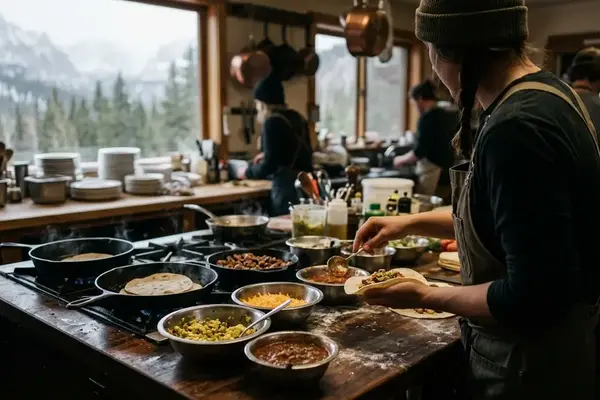
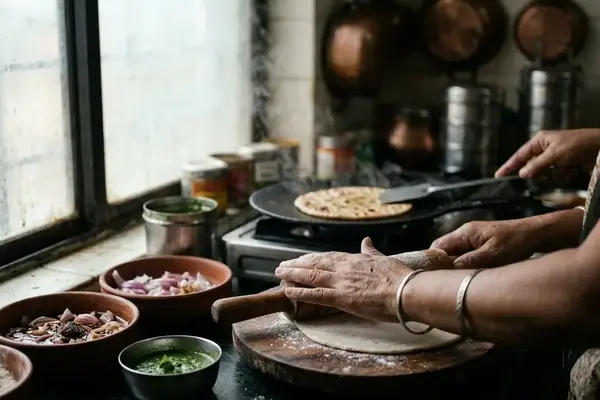
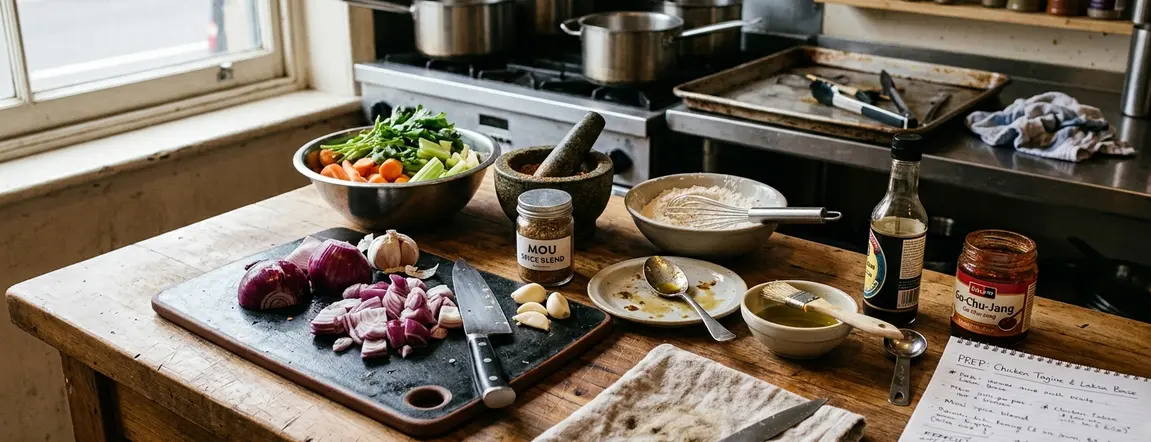
Scratch tortillas create a noticeable operational difference. A fresh-pressed flour tortilla cooked on a hot flattop for about 60 to 90 seconds per side is more pliable and less papery than a commodity tortilla pulled cold from a bag. Towns like Breckenridge now see a shift toward these scratch-made bases, locally sourced eggs, and slow-smoked meats.
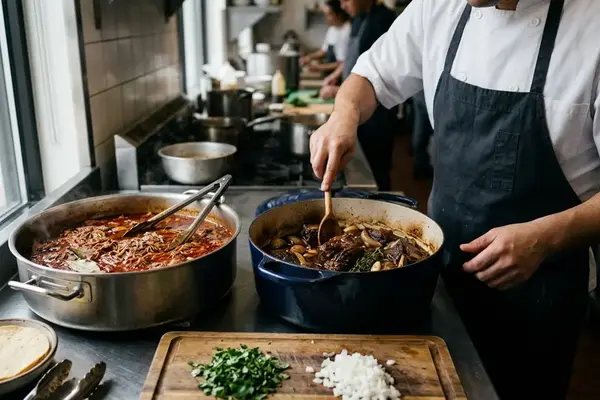
Globally inspired flavors elevate the comfort food experience. Hatch-style green chile has a defined agricultural rhythm. Fresh roasting is concentrated in August through September, while mountain restaurants commonly rely on roasted frozen, jarred, or preserved chile through the December through April ski season. Slow-smoked pork shoulder, brisket, or similar breakfast proteins add real labor. Common prep windows run 6 to 12 hours before service, compared with minutes for reheating pre-cooked sausage crumbles.
A burrito built with eggs, beans or potatoes, chile, and smoked meat supplies a strong mix of carbohydrate, protein, fat, salt, and warmth. This combination is highly useful for a 3- to 5-hour ski morning. It meets the caloric demands of high-altitude winter sports far better than a sugar-heavy pastry alone.
Quick Tip: Look for burritos featuring slow-smoked meats rather than standard breakfast sausage for a more sustained energy release during long mountain days.
Defending the Premium Price Tag
A common complaint echoes across resort towns: a breakfast burrito shouldn't cost more than ten dollars. A mountain breakfast kitchen has tighter constraints than a lowland counter. Winter deliveries can be affected by mountain passes. Dry storage is limited. Peak breakfast demand is compressed into a short pre-ski window, often roughly 7:00 a.m. to 10:30 a.m.
The most expensive operating stretch for many alpine restaurants is the winter high season, especially mid-December through late March. Shoulder periods such as late April through May and October through early November can bring thinner traffic but continuing rent, staffing, and utility costs. Food-safety practice requires hot-held egg and meat fillings to be maintained at 135°F or above. Doing that well with scratch eggs, smoked meat, and chile requires tighter batching than simply selling shelf-stable packaged items. Paying for culinary craftsmanship supports local food networks rather than mass-produced food distributors.
A burrito made with commodity eggs, frozen potatoes, bagged cheese, and jarred salsa does not become artisanal just because it is sold in a resort town or priced above ten dollars. A premium price needs visible proof, such as a better tortilla, carefully handled chile, properly cooked eggs, smoked or braised protein, or credible local sourcing. Otherwise, the old budget-burrito criticism is fair.
The Future of Morning Comfort Food
The evolution of the breakfast burrito mirrors the maturation of mountain town dining. A realistic near-term menu window is the next few ski seasons, when operators can keep the foil-wrapped format while rotating fillings. Expect chorizo, green chile pork, kimchi-style vegetables, curry-spiced potatoes, or smoked brisket hash.
Green chile styles are context-dependent. New Mexico-style roasted chile, Colorado pork green chile, and Tex-Mex chile sauces have different textures, heat levels, and uses. The strongest future versions will preserve the service mechanics that made the burrito valuable in the first place. Batchable fillings, one-hand eating, foil heat retention, and pickup timing work perfectly before lifts, lessons, or trailhead departures. Embrace the change rather than clinging to culinary nostalgia.
Summary: The modern mountain burrito successfully blends street-style convenience with high-end culinary techniques, delivering better flavor and fuel for alpine adventures.
Note: While high-altitude cooking times and ingredient availability vary significantly by specific elevation, these structural principles apply across most mountain town environments.